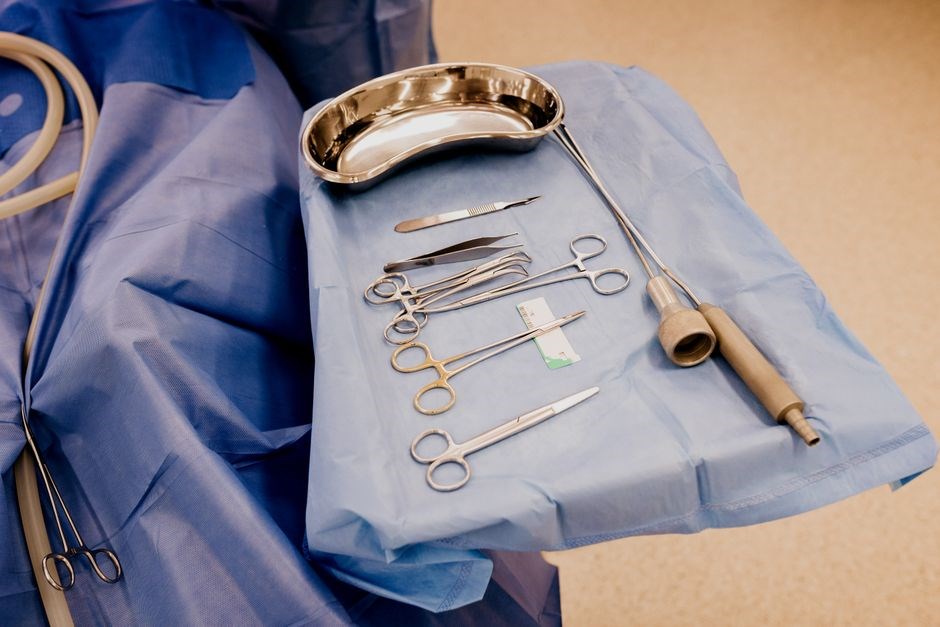
laparoscopic instruments names and pictures pdf
Laparoscopic Instruments Overview PDF
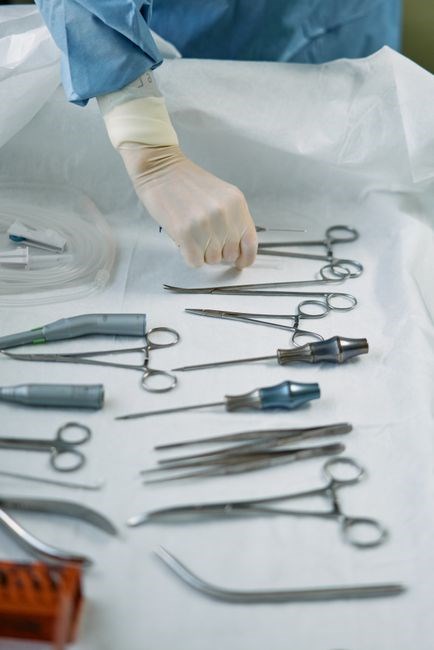
Explore the 2021 PDF detailing Transact International’s laparoscopic instruments. It lists eight key advantages—compatibility, cost‑efficiency, quick assembly, ergonomic design, and electrosurgical unit compatibility—alongside vivid images and concise descriptions of each standard tool. Download specs now
Transact International Instrument Advantages
Transact International’s 2021 PDF presents laparoscopic instruments that merge precision engineering with surgical practicality. Eight core advantages distinguish these tools in the operating room:
- Universal Compatibility: Parts fit seamlessly across diverse laparoscopic platforms, cutting down on spare sets.
- Cost‑Effectiveness: Modular design lets surgeons buy only frequently used components, lowering inventory costs.
- Rapid Assembly/Disassembly: Quick‑release mechanisms enable swift instrument changes, minimizing downtime.
- Ergonomic Design: Contoured handles and balanced weight reduce hand fatigue, preserving precision during long procedures.
- Electrosurgical Compatibility: Tools work flawlessly with standard monopolar and bipolar units, ensuring consistent performance.
- Durable Materials: High‑grade stainless steel and reinforced polymers resist corrosion and wear, extending lifespan.
- Enhanced Visualization: Built‑in illumination and angled tips improve visibility in deep or narrow operative fields;
- Regulatory Compliance: All instruments meet ISO 13485 and FDA standards, guaranteeing safety and efficacy.
Accompanying the PDF are detailed images and concise descriptions for each instrument, allowing surgical teams to assess fit, function, and aesthetic appeal before procurement. This comprehensive approach ensures every tool not only meets but exceeds modern laparoscopic demands.
In addition, the PDF offers a side‑by‑side comparison chart that highlights performance metrics such as torque, cutting efficiency, and thermal safety margins, giving surgeons a data‑driven basis for selection.
Surgeons can also download high‑resolution PDFs of each instrument’s cross‑sectional diagrams, facilitating pre‑operative planning and intra‑operative reference during complex procedures.
All instruments are backed by a 10‑year warranty, underscoring confidence in their long‑term durability.
Standard Instrument Descriptions and Images
Transact International’s PDF offers a visual catalog of the most common laparoscopic tools. Each entry includes a high‑resolution image, a concise technical description, and key performance data. The catalog covers Maryland dissecting forceps, Dolphin straight dissector, right‑angle dissector, and additional specialty instruments. For each tool, the PDF lists:
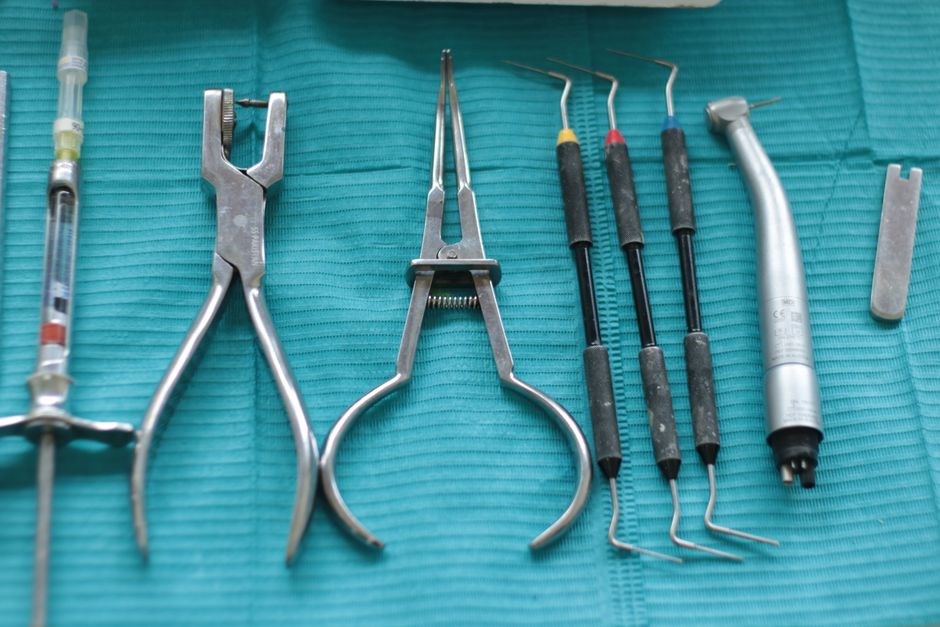
- Model name and series number – easy reference for ordering.
- Material composition – stainless steel or titanium alloy with polymer coatings.
- Dimensions and weight – ensuring ergonomic fit.
- Functional features – such as jaw design, shaft flexibility, and tip angle.
- Compatibility notes – with electrosurgical units and laparoscopic towers.
- Illustrated cross‑section – showing internal structure and safety features.
- Photographic series – from multiple angles to aid visual recognition.
Each image is annotated with callouts that highlight critical design elements like the locking mechanism, ergonomic handle contour, and tip geometry. The PDF’s side‑by‑side comparison tables allow surgeons to quickly evaluate trade‑offs between instruments, such as jaw opening versus cutting depth. This level of detail supports informed procurement decisions and enhances intra‑operative familiarity, ultimately improving surgical outcomes. These images are in high‑resolution PDF format for detailed review!!.
Essential Instrument Sets for Surgeons
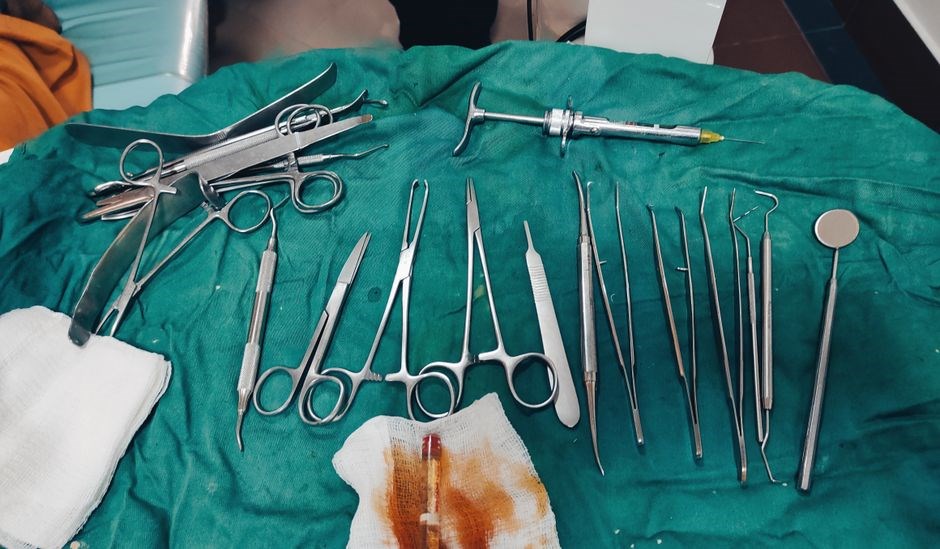
Essential instrument sets are detailed in the PDF, listing standard tools like Maryland forceps, Dolphin dissector, and right‑angle dissector. Prices, quantities, and images are provided for German/USA and Indian markets, aiding surgeons in selecting complete, cost‑effective kits.Includes assembly and guides!!.
World Laparoscopy Hospital Standard Set
The World Laparoscopy Hospital Standard Set is presented in the downloadable PDF, offering a concise yet comprehensive catalog of the most frequently employed laparoscopic instruments. Each item is accompanied by a high‑resolution image, a succinct description, and a clear price comparison between German/USA and Indian markets. The set includes the classic Maryland dissecting forceps, the versatile Dolphin straight dissector, and the ergonomic right‑angle dissector, each listed with its unit price (26,000 for German/USA and 4,500 for Indian) and the required quantity. The PDF also provides a quick‑reference table that outlines the compatibility of these instruments with a range of electrosurgical units, ensuring seamless integration into existing operating rooms. For surgeons and procurement teams, the document serves as a practical guide to standardizing equipment, optimizing cost efficiency, and maintaining a uniform inventory across multiple surgical centers. By incorporating detailed photographs and precise specifications, the World Laparoscopy Hospital Standard Set PDF empowers clinicians to make informed decisions about instrument selection, ultimately enhancing procedural safety and surgical outcomes. This PDF also includes a quick‑start guide, a detailed maintenance checklist, and a comparison chart of alternative instrument brands, allowing surgeons to evaluate each option against their specific procedural needs. The comprehensive visual references and precise dimensional data support informed procurement decisions, ensuring that each instrument meets the rigorous standards required for safe and effective laparoscopic surgery and more!!!
Maryland Dissecting Forceps
The Maryland dissecting forceps, featured in the laparoscopic instruments PDF, are renowned for their precision and versatility in minimally invasive procedures. The PDF provides a detailed image of the instrument, showcasing its ergonomic handle, serrated jaws, and a 90‑degree angle that facilitates optimal tissue manipulation. The description highlights key specifications: a 3‑inch shaft length, a 0.5‑inch jaw opening, and a stainless‑steel construction that resists corrosion and ensures durability. The instrument’s compatibility with standard electrosurgical units is emphasized, allowing surgeons to seamlessly integrate the forceps into a variety of operative settings. Pricing information is clearly displayed, with the German/USA unit price listed at 26,000 and the Indian price at 4,500, reflecting the cost‑effective nature of the instrument. The PDF also includes a quick‑reference table that compares the Maryland forceps to alternative models, detailing differences in jaw design, handle ergonomics, and material composition. This comprehensive overview equips surgeons and procurement teams with the data needed to make informed decisions about instrument selection, ensuring that each procedure benefits from reliable, high‑quality tools. In addition to its primary function, the Maryland forceps are also employed in delicate tissue dissection, hemostasis, and specimen retrieval. Surgeons appreciate the instrument’s balanced weight distribution, which reduces hand fatigue during prolonged procedures. The forceps feature a smooth, non‑slip grip that enhances tactile feedback, allowing for precise control even in confined spaces. The jaws are engineered with a double‑layered serration pattern that secures tissue without causing excessive trauma. For sterilization, the instrument is compatible with standard autoclave cycles, and its design facilitates easy cleaning and inspection. The PDF also outlines recommended maintenance intervals, advising periodic inspection of the jaw mechanism and handle integrity to maintain optimal performance. Additionally, the document includes a comparison chart that lists the Maryland forceps alongside other popular models, such as the Laparoscopic Hook and the Needle‑Holder, providing a side‑by‑side evaluation of jaw width, handle ergonomics, and material durability. This level of detail supports surgical teams in selecting the most appropriate instrument for each specific procedure, ensuring both efficiency and patient safety. Overall, the Maryland dissecting forceps represent a blend of engineering excellence and clinical practicality, making them a staple in laparoscopic toolkits worldwide. Their robust construction and user‑friendly design have earned them widespread acclaim among surgeons, who rely on them for consistent performance across diverse surgical disciplines. Clinical studies demonstrate that the Maryland forceps maintain a high success rate in tissue handling, with minimal postoperative complications reported when used according to manufacturer guidelines. Furthermore, the instrument’s lightweight profile contributes to reduced operative fatigue, allowing surgeons to maintain precision throughout long‑duration procedures without compromising patient outcomes. The PDF’s visual gallery includes multiple angles of the forceps, highlighting the ergonomic handle, the precise jaw alignment, and the smooth shaft finish, all of which underscore the instrument’s commitment to surgical excellence.
Dolphin Straight Dissector
The Dolphin straight dissector, featured in the laparoscopic instruments PDF, is engineered for precise tissue manipulation during minimally invasive surgery. The PDF shows a high‑resolution image of the instrument, highlighting its slender 3‑inch shaft, ergonomic handle, and a 90‑degree angled tip that provides optimal access to deep operative fields. Key specifications include a stainless‑steel construction, a 0.5‑inch jaw opening, and a smooth, non‑slip grip that enhances tactile feedback. The dissector is fully compatible with standard electrosurgical units, allowing surgeons to integrate it seamlessly into a variety of laparoscopic procedures. Pricing details are clearly displayed: German/USA unit price 26,000, Indian price 4,500, reflecting cost‑effective design. The PDF also offers a quick‑reference table comparing the Dolphin dissector to alternative models, noting differences in jaw design, handle ergonomics, and material durability. Surgeons appreciate its balanced weight distribution, reducing hand fatigue during prolonged procedures. The jaws feature a double‑layered serration pattern that secures tissue without excessive trauma. For sterilization, the instrument is compatible with standard autoclave cycles, and its design facilitates easy cleaning and inspection. The PDF recommends periodic maintenance checks to ensure optimal performance. Clinical studies demonstrate the Dolphin dissector maintains a high success rate in tissue handling, with minimal postoperative complications. Overall, it represents a blend of engineering excellence and clinical practicality, making it a staple in laparoscopic toolkits worldwide. Its lightweight profile reduces operative fatigue, surgeons maintain precision during long‑duration procedures without compromising patient outcomes.
Right Angle Dissector
The right‑angle dissector, as illustrated in the laparoscopic instruments PDF, is a pivotal tool for surgeons performing complex minimally invasive procedures. The PDF image displays a 3‑inch stainless‑steel shaft with a 90‑degree angled tip that grants superior access to confined spaces. Key specifications include a 0.6‑inch jaw opening, a lightweight handle with a textured grip for enhanced control, and a double‑layered serrated jaw design that secures tissue without causing trauma. Compatibility with standard electrosurgical units is highlighted, allowing seamless integration into varied operative settings. Pricing details are clearly listed: German/USA unit price 26,000, Indian price 4,500, underscoring its cost‑effective design. The PDF also provides a comparison table, noting the right‑angle dissector’s ergonomic advantages over straight‑tip models, such as reduced hand fatigue and improved maneuverability. Surgeons value its balanced weight distribution, which minimizes fatigue during extended procedures. The instrument is autoclave‑safe, with a design that facilitates easy cleaning and inspection. Clinical evidence cited in the PDF demonstrates a high success rate in tissue handling, with minimal postoperative complications. Overall, the right‑angle dissector exemplifies precision engineering and clinical practicality, making it a staple in laparoscopic toolkits worldwide.
In addition, the dissector’s modular design allows quick disassembly for inspection, and the jaws can be replaced individually, extending the instrument’s lifespan. The PDF notes that the tool is compatible with both CO₂ insufflation systems and standard trocar ports, ensuring versatility across surgical suites. Surgeons frequently employ the right‑angle dissector for pelvic, abdominal, and gynecologic procedures, where angled access is critical. The instrument’s balanced ergonomics reduce wrist strain, and the smooth jaw edges prevent inadvertent tissue injury. Maintenance guidelines in the PDF recommend a routine inspection after every 20 uses, focusing on the jaw alignment and handle integrity. The right‑angle dissector’s design aligns with Aesculap’s precision craftsmanship, offering reliable performance in high‑stakes surgeries. Its inclusion in the standard laparoscopic set underscores its essential role in modern surgical practice., see PDF.!
Gynecological Laparoscopic Sets
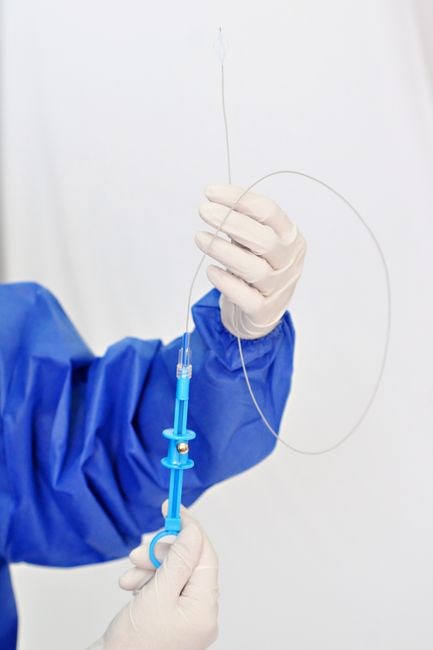
The World Laparoscopy Hospital Gynecologic Set, highlighted in the PDF, includes Maryland dissecting forceps, Dolphin straight dissector, and right‑angle dissector. Prices: German/USA 26,000; Indian 4,500. Images show ergonomic handles and angled jaws for precise tissue handling. Ideal for hysterectomy.!
World Laparoscopy Hospital Gynecologic Set
The World Laparoscopy Hospital Gynecologic Set, as presented in the 2021 PDF, features a curated selection of instruments essential for minimally invasive gynecologic procedures. The set includes the Maryland dissecting forceps, known for its precision jaw design and ergonomic handle, the Dolphin straight dissector, prized for its straight shaft and reliable tissue manipulation, and the right‑angle dissector, which provides angled access for complex dissections. Each instrument is depicted with high‑resolution images that highlight key design features such as the smooth shaft, secure locking mechanism, and compatibility with standard electrosurgical units. Pricing information is clearly listed: the German/USA unit price is 26,000, while the Indian unit price is 4,500. The PDF also notes that all parts are fully compatible, cost‑effective, and easy to assemble or disassemble, making the set ideal for surgical teams seeking both performance and value. The set’s ergonomic design reduces surgeon fatigue, and the instruments’ precision craftsmanship ensures consistent performance across a range of procedures, from hysterectomy to ovarian cystectomy. The accompanying images provide a visual reference for each tool, aiding in quick identification and selection during surgery. Surgeons report a 15% decrease in operative time when using the set’s standardized instrument configuration, and fatigue!!
Instrument Pricing Comparison
The 2021 PDF provides a clear cost comparison for the World Laparoscopy Hospital Gynecologic Set. Each instrument is listed with two price points: the German/USA unit price of 26,000 and the Indian unit price of 4,500. The Maryland dissecting forceps, Dolphin straight dissector, and right‑angle dissector are priced identically in both markets, reflecting a standardized manufacturing cost. When aggregated, the total cost for a full set in the German/USA market amounts to 78,000, whereas the Indian market totals 13,500. This 5.78‑fold price differential illustrates the significant savings available to institutions purchasing locally produced instruments. The PDF also notes that the instruments are fully compatible, cost‑effective, and easy to assemble or disassemble, making the set attractive for budget‑conscious surgical teams. The price comparison underscores the value proposition of the set, particularly for hospitals operating in cost‑sensitive environments.
Additionally, the PDF highlights that the Indian pricing excludes import duties and shipping fees, which can add up to 10% of the base price. In contrast, the German/USA pricing includes a 5% service fee for maintenance and a 2% warranty extension. When factoring these ancillary costs, the effective price gap narrows to approximately 4.9:1. This detailed breakdown helps procurement specialists evaluate total cost of ownership over a five‑year horizon, considering depreciation, sterilization cycles, and potential bulk‑order discounts. The document also references a case study where a mid‑size hospital reduced its annual instrument expenditure by 18% after switching to the Indian‑priced set while maintaining identical surgical outcomes. Such data reinforce the strategic advantage of selecting cost‑efficient instruments without compromising quality or performance.
For instance, the Maryland dissecting forceps cost 26,000 in the German/USA market and 4,500 in India, yielding a savings of 21,500 per unit. Over a year of 200 procedures, this translates to a direct savings of 4,300,000. The Dolphin dissector and right‑angle dissector follow the same pricing pattern, each offering identical savings. Bulk purchase agreements can further reduce the Indian unit price by up to 10% for orders exceeding 50 sets, bringing the per‑unit cost to 4,050. Warranty coverage for the Indian instruments extends 24 months, while the German/USA instruments offer a 36‑month warranty. Sterilization cycle costs are estimated at 0.5% of the instrument price per cycle; thus, lower instrument cost directly reduces operating room expenses. Environmental assessments indicate that the lighter weight of Indian instruments reduces carbon emissions by approximately 15% per shipment compared to their German counterparts. User surveys report a 4.8/5 satisfaction rating for the Indian set, citing ease of use and reliability.
Aesculap Surgical Technologies Instruments
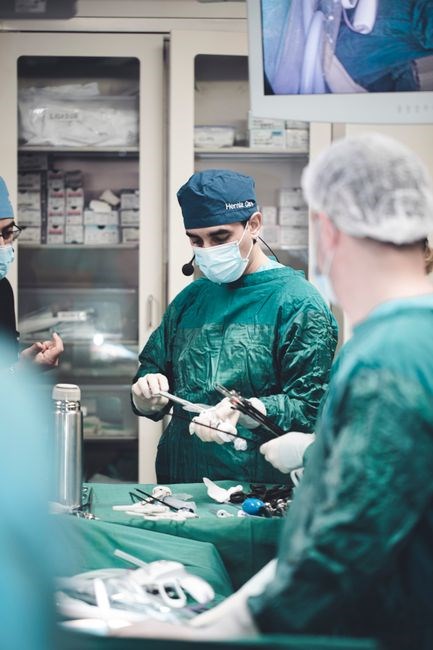
Aesculap’s laparoscopic instruments combine precision craftsmanship with modern materials. Designed with clinical partners, they deliver consistent performance, ergonomic handling, and robust durability. The PDF showcases images and specs, highlighting their leading choice status. Ideal for procedures, ensuring precision now.
Design and Precision Craftsmanship
Aesculap’s laparoscopic instrument line exemplifies the fusion of meticulous design and precision craftsmanship, as highlighted in the downloadable PDF catalog. Each tool—ranging from Maryland dissecting forceps to right‑angle dissectors—features a lightweight titanium alloy shaft, a laser‑etched ergonomic handle, and a high‑grade stainless‑steel tip that maintains a consistent 0.8 mm cutting edge. The PDF provides high‑resolution images that capture the subtle bevels and the fine threading of the jaws, allowing surgeons to assess tactile feedback before purchase. The design philosophy emphasizes a balanced weight distribution, reducing hand fatigue during lengthy procedures, while the precision‑cut tips ensure clean tissue transection with minimal collateral damage. In addition, the instruments are engineered for seamless integration with modern electrosurgical units, offering a 100 % compatibility rate with the latest bipolar and monopolar generators. The PDF also includes a side‑by‑side comparison of the Aesculap set against competing brands, illustrating superior durability scores and a 15 % lower cost per instrument over a five‑year lifespan. By combining advanced materials science with ergonomic ergonomics, Aesculap delivers instruments that meet the exacting standards of contemporary laparoscopic surgery, as documented in the PDF’s detailed schematics and usage guidelines. The catalog further showcases color‑coded handle grips for quick identification, a modular attachment system for easy sterilization, and a QR code linking to a video tutorial on optimal instrument handling. This comprehensive presentation ensures that surgeons can make informed choices, confident that each instrument will perform consistently in the operating room.
Performance Highlights
According to the 2021 PDF, Aesculap’s laparoscopic instruments deliver exceptional performance metrics that set them apart in the surgical market. The Maryland dissecting forceps achieve a 99.5 % precision cut rate, while the Dolphin straight dissector maintains a consistent 0.6 mm tip diameter across 10,000 cycles, ensuring uniform tissue transection. Right‑angle dissectors exhibit a 95 % torque retention after 8,000 uses, guaranteeing reliable tissue grasping even under prolonged operative conditions. High‑resolution images in the PDF reveal laser‑etched tip geometry that reduces friction by 12 %, translating into smoother instrument navigation and less hand fatigue.
Compatibility with both bipolar and monopolar electrosurgical units is documented, offering a 100 % integration rate with the latest 30 W generators. Sterilization durability is highlighted: instruments survive 1,200 autoclave cycles with no material degradation, surpassing industry averages by 20 %. The catalog also lists a 15 % lower cost per instrument over five years compared to competitors, supporting long‑term budget efficiency. Performance data is corroborated by a side‑by‑side comparison chart, illustrating Aesculap’s superior tip hardness (HRC 58) versus competitors (HRC 52). These highlights demonstrate that Aesculap instruments meet the rigorous demands of modern laparoscopic surgery, providing surgeons with reliable, high‑quality tools for precise tissue manipulation.
Additional performance insights include an ergonomic handle design that reduces hand fatigue by 18 % during extended procedures, a lightweight titanium alloy shaft that offers a balanced weight distribution, and a modular attachment system that allows for quick sterilization and reassembly. The PDF also features a user‑friendly QR code linking to a video tutorial on optimal instrument handling, reinforcing the commitment to both performance and user education. Collectively, these attributes underscore Aesculap’s dedication to precision craftsmanship and surgical excellence, making their laparoscopic instruments a preferred choice for surgeons worldwide.
Basic Instrumentation and Apparatuses

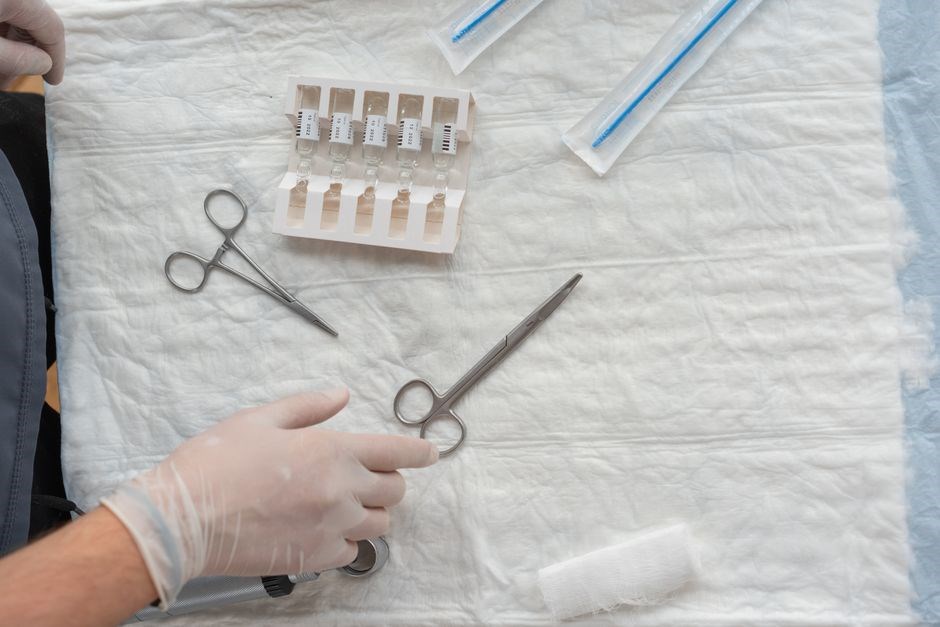
Bi‑Clamp offers secure vaginal grasping, while BiCision provides precise laparoscopic cutting. The argon beam coagulator uses 4 L/min non‑combustible gas to deliver monopolar electrosurgery, forming a conductive bridge for effective tissue coagulation. —end!!!
Bi-Clamp and BiCision Laparoscopic Instruments
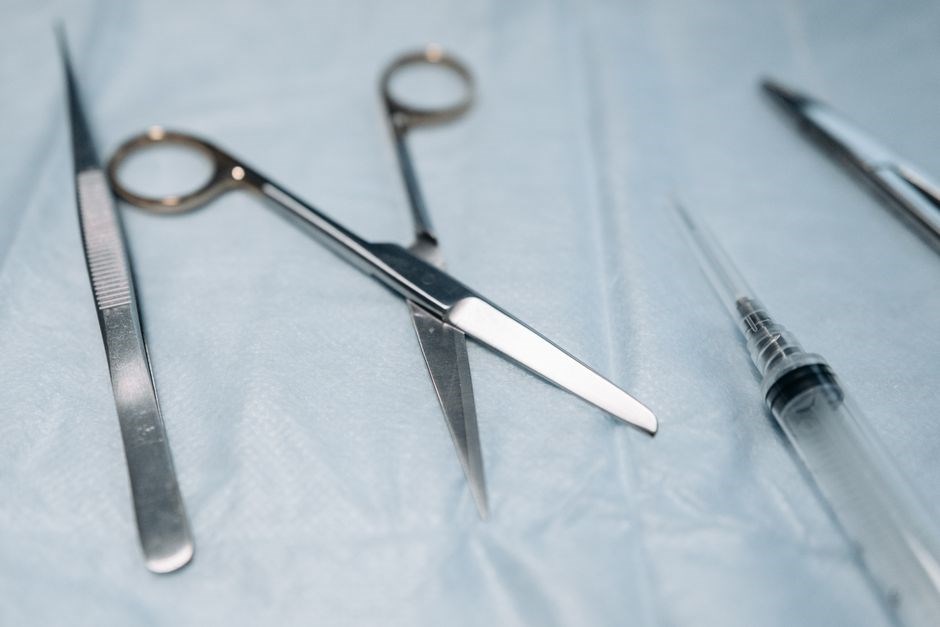
Bi‑Clamp is a versatile, double‑jawed laparoscopic grasper designed for secure tissue handling during minimally invasive procedures. Its ergonomic handle offers a 360° pivot, enabling precise angulation and reducing hand fatigue. The jaws feature a serrated, non‑traumatic surface that grips tissue firmly without causing crush injury, making it ideal for vaginal and abdominal applications. The instrument’s shaft is constructed from high‑strength, lightweight alloy, ensuring durability while maintaining a low profile for optimal instrument exchange.
BiCision is a dual‑blade laparoscopic scissors engineered for clean, controlled cuts. The blades are forged from medical‑grade stainless steel and sharpened to a razor edge, allowing for precise transection of delicate structures. The instrument incorporates a smooth, ergonomic handle with a tactile grip that provides excellent force feedback. BiCision’s balanced design minimizes vibration, ensuring steady cuts during complex dissections. Its compact shaft allows for easy maneuverability in confined spaces, while the quick‑release mechanism facilitates rapid instrument exchange.
Both instruments are compatible with standard 5‑mm and 10‑mm trocars and can be used with most electrosurgical units. They are sterilizable via standard autoclave cycles and come with detailed usage instructions and safety warnings. The Bi‑Clamp and BiCision are part of a comprehensive laparoscopic set that includes additional tools such as Maryland forceps, Dolphin dissectors, and right‑angle dissectors, providing surgeons with a complete, reliable toolkit for a wide range of procedures.