food fishery nl 2024 schedule pdf
Food Fishery NL 2024 Schedule: A Comprehensive Overview
The 2024 season requires no license or tags, opening all NAFO areas/subareas around Newfoundland and Labrador for recreational groundfish fishing.
The Newfoundland and Labrador food fishery represents a deeply ingrained cultural practice, providing vital access to locally sourced seafood for residents. This tradition isn’t merely about sustenance; it’s a cornerstone of community identity and a link to the province’s rich maritime heritage. The fishery allows individuals and families to harvest fish for personal consumption, bolstering food security and promoting a connection to the natural environment.
Currently, for the 2024 season, participation is remarkably accessible, as no license or tags are required. This open access extends to all NAFO areas/subareas surrounding Newfoundland and Labrador, encompassing 2GH, 2J3KL, 3Ps, 3Pn, and 4R, facilitating widespread involvement in this cherished tradition.
Historical Context of the Food Fishery
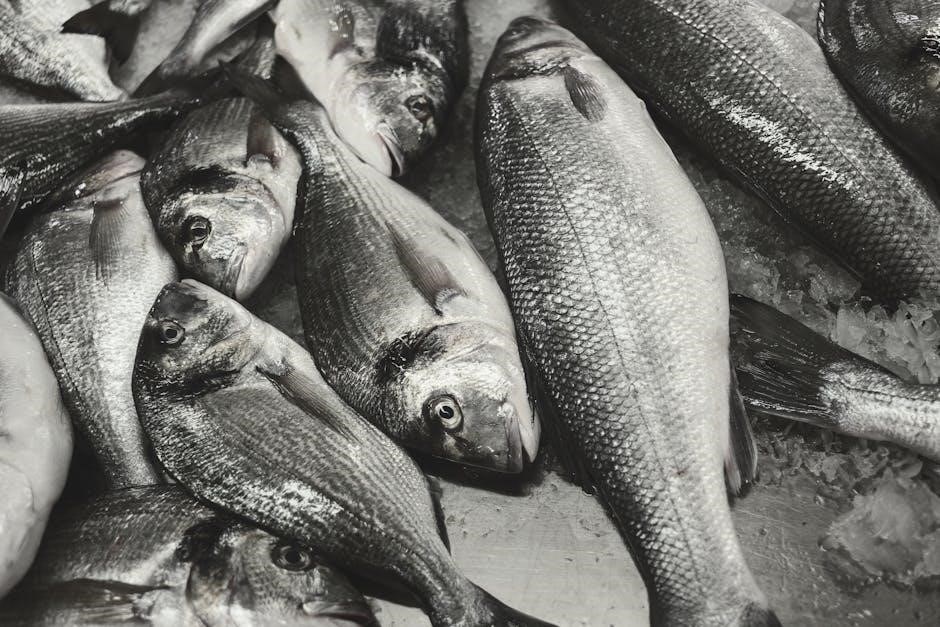
Historically, the food fishery predates large-scale commercial fishing in Newfoundland and Labrador, serving as a primary source of sustenance for generations. Indigenous populations relied on it for centuries, and European settlers quickly adopted the practice upon arrival. It was a critical component of survival, particularly during harsh winters and periods of economic hardship.
Over time, regulations evolved, often fluctuating with the health of fish stocks and the needs of the commercial industry. Despite these changes, the food fishery remained a consistent element of life for many Newfoundlanders and Labradorians. The current accessibility, with no license or tags needed in 2024, echoes a historical openness to this vital resource.
Importance of the Food Fishery for Local Communities
The food fishery holds immense cultural and economic significance for Newfoundland and Labrador communities. It provides access to a healthy, locally-sourced food supply, bolstering food security and promoting nutritional well-being – essential for overall health. Beyond sustenance, it’s a deeply ingrained tradition, fostering community bonds and preserving a way of life.
The fishery also supports local tourism, with potential for economic benefits through licensed tour operators (proposed allowance of 2 fish/tourist/day). A well-planned fishery, with timely schedule announcements (ideally by May 1st), allows for better planning and maximizes these opportunities, benefiting both residents and visitors alike.
2024 Season Details & Regulations
For the 2024 season, no license or tags are required for participation in the recreational groundfish fishery around Newfoundland and Labrador.
Licensing and Tag Requirements (2024)
A significant aspect of the 2024 Newfoundland and Labrador food fishery is the absence of mandatory licensing and tagging requirements for participants. This represents a departure from previous years, streamlining access for residents wishing to engage in this traditional practice. The removal of these administrative hurdles aims to encourage greater participation and simplify the process for both seasoned fishers and newcomers alike.
This decision reflects a commitment to making the food fishery more accessible while still upholding responsible fishing practices. Fishers are still expected to adhere to all other regulations regarding species limits, size restrictions, and fishing areas as outlined by the Department of Fisheries and Oceans (DFO).
NAFO Areas/Subareas Open for Recreational Groundfish Fishery
For the 2024 season, the recreational groundfish fishery in Newfoundland and Labrador encompasses a broad geographical range, opening access across all Northwest Atlantic Fisheries Organization (NAFO) areas and subareas surrounding the province. Specifically, this includes the expansive zones of 2GH, 2J3KL, 3Ps, and 3Pn, extending to 4R. This extensive coverage provides fishers with diverse opportunities to participate in the fishery across a substantial portion of the coastal waters.
This widespread accessibility aims to distribute fishing pressure and allow for a more equitable distribution of the resource. Fishers should consult detailed charts and DFO publications to confirm precise boundaries and any specific restrictions within each area before commencing their fishing activities.
Species Permitted for Catch in the Food Fishery
While the provided text doesn’t explicitly list permitted species, the context indicates a focus on groundfish. This generally includes cod, haddock, flounder, and other bottom-dwelling species commonly found in Newfoundland and Labrador waters. It’s crucial for fishers to consult the official 2024 schedule PDF released by the Department of Fisheries and Oceans (DFO) for a definitive and up-to-date list of permitted species.
Regulations may specify size limits, bag limits, and any species-specific restrictions to ensure sustainable harvesting practices. Always prioritize responsible fishing and adhere to all guidelines outlined by DFO to protect fish stocks for future generations.
Schedule & Dates – Anticipated and Actual
Dates were delayed in recent years, announced late June, disadvantaging fishers and tourists. The petition requests dates be announced by May 1st for planning.
Delays in Announcement of Season Dates
Historically, the Department of Fisheries and Oceans (DFO) has faced criticism regarding the timing of releasing recreational cod fishery dates and regulations. In recent years, this crucial information wasn’t available until late June, creating significant challenges for both local fishers and prospective tourists. This late announcement hinders effective scheduling, impacting individuals eager to participate in the food fishery.
The lack of timely information disrupts vacation plans and limits opportunities for tour operators to organize excursions. A petition has been launched, advocating for a firm announcement deadline of May 1st. This proactive approach would allow ample time for residents, tourists, and businesses to adequately prepare for and benefit from the fishery, fostering a more positive and predictable experience for all involved.
Proposed Announcement Timeline (May 1st)
A key demand from fishers and tourism stakeholders centers around establishing a consistent and early announcement date for the recreational food fishery schedule. The proposed timeline targets May 1st as the definitive release date for all relevant information, including season dates and regulations. This proactive approach aims to alleviate the disruptions caused by past delays, which often occurred as late as June.
Advocates believe a May 1st announcement would empower tour operators to effectively market and plan excursions, allowing tourists sufficient time to incorporate the fishery into their travel itineraries. Ultimately, this initiative seeks to maximize the economic benefits and enjoyment derived from the food fishery for all participants and local communities.
Comparison to Maritime Provinces’ Season Structure
Many Newfoundland and Labrador fishers advocate for adopting a season structure mirroring that of the Maritime Provinces. This preference stems from a desire for greater predictability and extended fishing opportunities. The current delayed announcement schedule in Newfoundland and Labrador creates significant challenges for planning, impacting both recreational fishers and the tourism sector.
A Maritime-style season would provide a more stable framework, enabling individuals and businesses to confidently schedule participation in the food fishery. This shift aims to enhance the overall experience and maximize the economic benefits associated with this cherished tradition, fostering a more sustainable and accessible fishery for all.
Enforcement and Conservation Efforts
Random enforcement appearances are expected to deter poaching, as the unpredictable schedule aims to reduce illegal fishing activities throughout Newfoundland and Labrador’s waters.
Addressing Poaching Concerns
Poaching remains a significant concern during the Newfoundland and Labrador food fishery, prompting increased enforcement efforts. The delayed announcement of season dates in recent years has unfortunately created opportunities for illegal fishing activity. However, a key strategy to combat this involves unpredictable enforcement appearances. This approach aims to deter individuals from exploiting the resource outside of permitted times and areas.
The hope is that uncertainty regarding when and where enforcement officers will be present will significantly reduce poaching incidents. By keeping potential offenders guessing, authorities aim to protect the sustainability of the food fishery for legitimate participants and future generations. A well-planned schedule, announced promptly, is also crucial.
Random Enforcement Appearances
A core component of addressing poaching concerns centers on implementing random enforcement appearances throughout the Newfoundland and Labrador food fishery. This strategy deliberately avoids predictable patrol patterns, making it difficult for individuals to anticipate when and where officers will be present. The goal is to disrupt illegal fishing activities and ensure compliance with regulations.
These unpredictable appearances are intended to deter potential offenders and reinforce the message that poaching will not be tolerated. By maintaining a visible, yet unpredictable, presence, enforcement officers aim to protect the resource and ensure fair access for all legitimate fishers. This approach is considered vital for the long-term sustainability of the fishery.
Impact of Schedule on Illegal Fishing Activities
Delayed announcements of the recreational cod fishery dates and regulations historically disadvantage fishers and tourists, potentially fostering conditions conducive to illegal fishing. Uncertainty regarding the season’s start encourages some individuals to fish outside of permitted times, hoping to capitalize before official openings. A clearly defined and promptly communicated schedule is crucial for minimizing this risk.
The proposed May 1st announcement timeline aims to mitigate poaching by providing ample time for planning and compliance. Knowing the dates in advance allows fishers to prepare legally and discourages opportunistic illegal activity. A predictable schedule, coupled with random enforcement, should significantly reduce unauthorized fishing efforts.
Impact on Tourism and Local Businesses
A petition proposes allowing licensed tour operators to retain two fish per tourist daily, advocating for a May 1st date announcement to facilitate summer planning.
Role of Licensed Tour Operators
Licensed tour operators play a crucial role in facilitating access to the Newfoundland and Labrador food fishery for tourists, contributing significantly to the local economy. A current petition actively champions a proposed allowance enabling these operators to retain two fish per tourist each day during the fishery. This initiative aims to enhance the tourist experience and provide a tangible benefit to local businesses reliant on tourism revenue.
The timely announcement of season dates, specifically by May 1st, is paramount for tour operators. Early notification allows sufficient time for marketing, booking arrangements, and logistical planning, ensuring a well-organized and successful season. Delayed announcements, as experienced in recent years, create considerable disadvantages for both operators and prospective tourists, hindering effective scheduling and potentially diminishing participation.
Proposed Allowance for Tour Operators (2 Fish/Tourist/Day)
A key proposal circulating advocates for licensed tour operators to be permitted to retain two fish per tourist, per day, throughout the food fishery season. This suggested allowance aims to bolster the economic benefits derived from tourism linked to the fishery, providing a direct incentive for tourists to participate and supporting local operator livelihoods.
Proponents argue this measure would enhance the overall visitor experience, offering a more substantial and memorable activity. It’s viewed as a reasonable compromise, balancing recreational fishing opportunities with the economic contributions of the tourism sector. The petition emphasizes that clear regulations and enforcement are vital to ensure sustainability and prevent overfishing, even with this increased allowance.
Economic Benefits of a Well-Planned Food Fishery
A strategically scheduled food fishery demonstrably contributes to Newfoundland and Labrador’s economic vitality. Early and predictable announcements of season dates, like the proposed May 1st timeline, are crucial for tourism operators and prospective visitors to effectively plan and book fishing excursions. This proactive approach fosters increased tourism revenue, benefiting local businesses – accommodations, restaurants, and outfitters – reliant on seasonal tourism.
Furthermore, a well-managed fishery minimizes poaching, preserving the resource for legitimate recreational and economic use. The proposed allowance for tour operators, permitting two fish per tourist daily, could significantly boost tourism income, creating jobs and supporting coastal communities.
Fishing Grounds and Depth Considerations
Speed boats focused on inshore grounds, approximately 30 fathoms deep, creating concentrated fishing pressure akin to seagulls on Grand Lake, according to reports.
Inshore Fishing Grounds (Approx. 30 Fathoms)
The concentration of vessels within the inshore fishing grounds, typically around 30 fathoms in depth, has become a notable observation during the food fishery openings. Reports indicate that many fishers utilizing speed boats specifically target these shallower areas. This localized fishing effort leads to a significant number of boats operating within a relatively small portion of the overall available fishing grounds.
Comparisons have been drawn to the imagery of seagulls congregating on Grand Lake, illustrating the density of boats in these preferred inshore locations. This pattern raises questions about the distribution of fishing pressure and potential impacts on localized fish stocks, necessitating ongoing monitoring and assessment.
Concentration of Boats in Limited Areas
The Union has voiced concerns regarding the substantial number of boats converging on the fishing grounds when the food fishery is open. This high concentration isn’t spread across the vast available areas, but rather focused on smaller, limited sections of the coastline. Many fishers, particularly those with speed boats, prioritize these specific zones, intensifying competition and potentially impacting sustainability.
This localized pressure mirrors the visual of numerous seagulls clustered on Grand Lake, highlighting the disproportionate use of certain fishing spots. Understanding this pattern is crucial for effective resource management and ensuring equitable access for all participants in the food fishery.
Comparison to Fishing Pressure on Grand Lake
The intense concentration of boats during the food fishery resembles a striking visual: a multitude of seagulls descending upon Grand Lake. This analogy illustrates how a large number of fishers are confined to relatively small areas, creating significant localized fishing pressure. The limited space amplifies competition and raises concerns about the sustainability of the resource within those specific zones.
This comparison underscores the need for strategies to disperse fishing efforts and mitigate the impact on heavily fished areas. Effective management requires understanding and addressing this concentrated demand.
Food Safety and Nutrition
Eating well is vital for health, reducing disease risk. Locally caught fish offers nutritional benefits, but safe food handling practices are essential for wellbeing.
Importance of Food and Nutrition for Health
Prioritizing food and nutrition is fundamentally linked to maintaining robust health and significantly reducing the potential risk of developing various diseases. A well-balanced diet, particularly incorporating locally sourced foods like fish from the Newfoundland and Labrador food fishery, provides essential nutrients crucial for optimal bodily function.
These nutrients contribute to strengthened immune systems, improved energy levels, and enhanced overall wellbeing. Access to nutritious food isn’t merely about sustenance; it’s a cornerstone of preventative healthcare, empowering individuals to lead healthier, more fulfilling lives. Understanding the vital connection between what we eat and how we feel is paramount.
Nutritional Benefits of Locally Caught Fish
Locally caught fish from the Newfoundland and Labrador food fishery offers substantial nutritional advantages. Fish is a prime source of high-quality protein, essential for building and repairing tissues. Furthermore, it’s rich in Omega-3 fatty acids, known to support heart health and brain function.
These fish also provide vital vitamins like D and B12, alongside minerals such as iodine and selenium. Consuming locally sourced fish minimizes processing times, preserving these crucial nutrients. Integrating this fresh catch into your diet contributes to a balanced and health-promoting lifestyle, bolstering overall wellbeing.
Safe Food Handling Practices
Ensuring food safety is paramount when enjoying your catch from the Newfoundland and Labrador food fishery. Promptly gut and clean fish after capture, keeping them cool with ice or refrigerated storage. Thoroughly wash hands and all surfaces that come into contact with raw fish to prevent cross-contamination.
Cook fish to an internal temperature of 145°F (63°C) to eliminate potential bacteria. Proper handling minimizes risks and maximizes the enjoyment of this valuable food source. Prioritizing these practices safeguards your health and contributes to responsible food consumption within the community.
Recent Developments & Updates (2025 & Beyond)
Updates from July 23, 2025, and November 18, 2025, highlight ongoing changes in regulations, emphasizing the importance of staying informed about fishery adjustments.
Updates from July 23, 2025
Recent developments on July 23, 2025, focused on enhancing food and nutrition within residential aged care, transforming sourcing, cooking, and serving practices. This shift aims to make every meal count, improving the wellbeing of residents. Simultaneously, discussions surrounding the Newfoundland and Labrador food fishery continued, with a petition advocating for licensed tour operators to retain two fish per tourist daily.
The core issue remains the timely announcement of season dates – ideally by May 1st – to facilitate planning for both operators and tourists. Delays in releasing the 2024 schedule negatively impacted scheduling, and stakeholders hope for improvements in future seasons. These updates demonstrate a commitment to both nutritional wellbeing and responsible fishery management.
Updates from November 18, 2025
As of November 18, 2025, the fundamental importance of good food and nutrition for overall health and wellbeing remains a central theme. This principle extends beyond aged care facilities, influencing perspectives on the Newfoundland and Labrador food fishery. Concerns persist regarding the delayed release of the 2024 schedule, hindering planning for fishers, tourists, and tour operators alike.
Advocacy continues for a May 1st announcement to allow sufficient preparation time. The proposed allowance of two fish per tourist per day for licensed operators aims to boost economic benefits. Ultimately, a well-planned fishery, coupled with nutritional awareness, contributes to a healthier and more prosperous community.
Changes in Regulations Over Time
Historically, the Newfoundland and Labrador food fishery has experienced fluctuating regulations. Recent years demonstrate a trend of delayed announcements regarding season dates and rules, creating challenges for participants. The 2024 season notably removed the requirement for licenses and tags, simplifying access to the recreational groundfish fishery across all NAFO areas.
However, ongoing discussions focus on optimizing the schedule to align with Maritime provinces’ structures, offering greater predictability. Proposals include a May 1st announcement deadline and allowances for tour operators, reflecting a dynamic regulatory landscape adapting to community needs and conservation efforts.
Resources and Further Information
Access the 2024 schedule as a PDF via the Department of Fisheries and Oceans (DFO) website, or contact DFO directly for inquiries.
Department of Fisheries and Oceans (DFO) Website
The Department of Fisheries and Oceans (DFO) website serves as the primary hub for all information pertaining to the Newfoundland and Labrador food fishery. Fishers can locate the official 2024 schedule in PDF format directly on the DFO website, alongside detailed regulations, licensing details (though none were required for 2024), and NAFO area specifications;
Regularly checking the DFO website is crucial, as updates and potential changes to the fishery can be posted there. The site also provides contact information for regional DFO offices, allowing fishers to directly address specific questions or concerns. Staying informed through official DFO channels ensures compliance and responsible participation in this vital resource.
Accessing the 2024 Schedule PDF
The 2024 Newfoundland and Labrador food fishery schedule PDF is readily available through the Department of Fisheries and Oceans (DFO) website. Locating this document is essential for understanding the specific regulations governing the season, including permitted species, NAFO area boundaries, and any enforcement protocols.
Direct links to the PDF are often publicized through local news outlets and fishing organizations. Ensure the document originates from the official DFO source to guarantee accuracy. Downloading and reviewing the PDF before participating in the fishery is strongly advised, promoting responsible fishing practices and avoiding potential penalties.
Contact Information for DFO Inquiries
For specific questions regarding the 2024 Newfoundland and Labrador food fishery schedule, or clarification on any regulations detailed within the PDF, contacting the Department of Fisheries and Oceans (DFO) directly is recommended. DFO maintains regional offices throughout Newfoundland and Labrador, offering localized support and expertise.
Contact details, including phone numbers and email addresses, are prominently displayed on the DFO website. Inquiries can range from licensing requirements to enforcement procedures. Prompt and accurate information from DFO ensures fishers are well-informed and compliant with all applicable rules, fostering a sustainable and enjoyable fishery.