2024 nj saltwater fishing regulations pdf
2024 NJ Saltwater Fishing Regulations: A Comprehensive Guide
Navigating New Jersey’s 2024 saltwater fishing rules requires staying informed; the official PDF document, detailing species limits and crucial dates, is eagerly awaited by anglers․

The 2024 New Jersey saltwater fishing regulations represent a continuation of the state’s commitment to sustainable fisheries management along its valuable coastline․ Anglers preparing for the season must understand that mandatory registration is in effect for all individuals intending to fish in marine waters․ The New Jersey Department of Environmental Protection’s (NJDEP) Fish & Wildlife division is finalizing these rules, with key decisions made during meetings like the one held on March 7th in Galloway․
Expect regulations to cover numerous species, including black sea bass, summer flounder (fluke), tautog (blackfish), striped bass, and bluefish․ The finalized regulations, ideally accessible as a comprehensive PDF document, will outline specific size limits, bag limits, and seasonal closures for each species․ Staying updated is crucial, as regulations can be amended throughout the year based on stock assessments and interstate agreements․
Key Dates and Meetings
Crucial dates for understanding the 2024 New Jersey saltwater fishing regulations center around the NJ Marine Fisheries Council (NJMFC) meetings․ A significant meeting took place on March 7th, 2024, in Galloway, NJ, at 5 PM, where recreational fishing regulations were finalized․ This meeting was pivotal in establishing the rules governing the upcoming season․
While a precise schedule for subsequent meetings isn’t yet fully available, anglers should regularly check the NJDEP Fish & Wildlife website for updates regarding potential amendments or clarifications to the regulations․ The release of the official 2024 PDF document containing all the details is anticipated shortly after these key decision-making sessions․ Keeping abreast of these dates ensures compliance and maximizes enjoyment of New Jersey’s marine fishing opportunities․

Mandatory Saltwater Registration
For the 2024 season, New Jersey mandates saltwater registration for all individuals intending to fish in marine waters․ This requirement extends not only to New Jersey but also applies to anglers fishing along the entire Atlantic Coast․ Registration is essential, functioning as the primary method for tracking recreational fishing activity within the state․
This isn’t a license, but a necessary step for participation․ The official 2024 PDF document will detail the specifics, but generally, registration allows the NJDEP to gather vital data for sustainable fisheries management․ Failure to register before fishing can result in penalties, so proactive compliance is strongly advised․ Registration ensures continued access to New Jersey’s valuable saltwater fishing resources․
Registration Process Details
The 2024 NJ saltwater registration process is streamlined for convenience, though specifics are fully outlined in the official PDF document․ Registration is conducted online through the NJ Fish & Wildlife website, requiring anglers to create an account or utilize an existing one․ You’ll need identifying information like your driver’s license and details about your fishing activities․
The system generates a unique registration number upon completion․ Keep this number readily available while fishing, as it may be requested by enforcement officers․ The PDF will provide a direct link to the registration portal and step-by-step instructions․ Ensure all information provided is accurate to avoid delays or complications․
Registration Fees and Options
The 2024 NJ saltwater registration is mandatory, but thankfully, it’s currently offered at no cost to recreational anglers – details confirmed within the official PDF․ This free registration applies to anyone intending to fish in marine waters along the New Jersey coastline․ While currently free, it’s crucial to check the official document for any potential future fee implementations or changes to this policy․
The PDF will clearly state the current fee structure, if any, and available payment methods․ Anglers should be aware that this registration is separate from any required recreational fishing permits for specific species․ Keep an eye on updates, as fee structures can evolve based on conservation needs and funding allocations․
Species-Specific Regulations ⎻ Overview
The 2024 NJ saltwater fishing regulations, comprehensively outlined in the official PDF, establish unique rules for each targeted species to ensure sustainable fisheries․ Expect detailed information regarding size limits, bag limits, and seasonal closures for popular catches like Black Sea Bass, Summer Flounder (Fluke), Tautog (Blackfish), Striped Bass, and Bluefish․
The PDF document is essential for understanding these species-specific nuances․ Regulations are often adjusted annually based on stock assessments and collaborative efforts with fisheries management boards․ Anglers must consult the latest PDF to avoid violations and contribute to responsible fishing practices․ Expect potential variations in regulations based on location and gear type․
Black Sea Bass Regulations (2024)
The 2024 NJ saltwater fishing regulations PDF details specific rules for Black Sea Bass, a popular target for recreational anglers․ Based on current discussions, size limits are anticipated to remain within a 12 to 15-inch slot limit, though the exact figures will be confirmed in the official document․ Bag limits are also subject to change, reflecting expert assessments of the stock’s health․
Anglers should carefully review the PDF for any seasonal closures impacting Black Sea Bass fishing․ These closures are implemented to protect spawning populations and ensure long-term sustainability․ Staying updated with these regulations is crucial for compliance and responsible angling practices throughout the 2024 season․
Size Limits for Black Sea Bass
The eagerly awaited 2024 NJ saltwater fishing regulations PDF will definitively outline the size limits for Black Sea Bass․ Current expectations, gleaned from pre-season discussions, suggest a slot limit will be in effect․ This means only fish within a specific size range can be legally kept․
While not yet finalized, predictions point towards a slot limit somewhere between 12 and 15 inches․ Any Black Sea Bass caught outside this range must be immediately released․ Anglers are strongly advised to consult the official PDF upon its release to confirm the precise measurements and avoid potential violations․ Accurate measurement tools are essential for ensuring compliance with these regulations․
Bag Limits for Black Sea Bass
Determining the 2024 Black Sea Bass bag limit is a key focus as anglers await the official NJ saltwater fishing regulations PDF; The final decision rests with fisheries experts following meetings like the one held on March 7th in Galloway․ Predicting the exact number is challenging, as it depends on stock assessments and conservation goals․

Currently, there’s uncertainty regarding whether the bag limit will remain consistent with previous years or undergo adjustments․ Anglers should prepare for potential changes and prioritize reviewing the official PDF when it becomes available․ Understanding the daily possession limit is crucial for responsible fishing and avoiding penalties for exceeding the allowed catch․
Seasonal Closures for Black Sea Bass
The 2024 NJ saltwater fishing regulations PDF will detail any seasonal closures for Black Sea Bass, vital information for planning fishing trips․ Anticipating these closures is difficult without the official document, as they are often implemented to protect spawning fish or manage stock levels․
Historically, closures have been used to ensure the sustainability of the Black Sea Bass population․ Anglers should be aware that closures can vary in length and timing, potentially impacting access to certain fishing areas․ Checking the official PDF before heading out is essential to confirm whether a closure is in effect․ Staying informed prevents unintentional violations and supports responsible fishing practices․
Summer Flounder (Fluke) Regulations (2024)
The comprehensive 2024 NJ saltwater fishing regulations PDF will outline specific rules for Summer Flounder, also known as Fluke, a popular target for recreational anglers․ These regulations are crucial for maintaining healthy fish stocks and ensuring sustainable fishing opportunities․
Expect the PDF to detail both size limits and bag limits, dictating the minimum length of Fluke that can be kept and the maximum number allowed per angler, per day․ Understanding these limits is paramount for legal compliance․ The document will also specify any seasonal closures or regional variations in regulations, impacting when and where Fluke fishing is permitted․ Always consult the official PDF before fishing․
Size Limits for Summer Flounder
The eagerly anticipated 2024 NJ saltwater fishing regulations PDF will definitively state the size limits for Summer Flounder (Fluke)․ These limits are a cornerstone of responsible fisheries management, protecting juvenile fish and ensuring future populations․
Based on recent discussions and expectations, anglers should prepare for a slot limit, potentially within a one-inch range․ This means only Fluke falling within a specific size range can be legally kept․ Fish above or below this slot must be immediately released․ The PDF will clearly illustrate this size range, likely with diagrams, to avoid confusion․ Accurate measurement is vital; always use a certified measuring device when assessing your catch․
Bag Limits for Summer Flounder
The official 2024 NJ saltwater fishing regulations PDF will detail the bag limits for Summer Flounder (Fluke), a critical component of sustainable fishing practices․ Determining the appropriate bag limit involves balancing recreational opportunities with conservation needs․
Predicting the exact number is challenging, as it’s subject to expert decisions made during meetings like the one held on March 7th in Galloway․ However, anglers should anticipate potential adjustments from previous years․ The PDF will clearly state the daily bag limit – the maximum number of Fluke an individual can keep per day․ It’s crucial to adhere to this limit, as exceeding it can result in penalties․ Remember, responsible angling ensures healthy fish stocks for future generations․
Seasonal Closures for Summer Flounder
The 2024 NJ saltwater fishing regulations PDF will outline any seasonal closures for Summer Flounder (Fluke) fishing, vital for protecting spawning populations and ensuring long-term sustainability․ These closures are implemented based on scientific data and stock assessments․
Anglers should carefully review the PDF to identify specific dates when Fluke fishing is prohibited․ These closures may vary depending on the region within New Jersey’s marine waters․ Understanding these restrictions is essential to avoid violations and contribute to responsible fishing․ The regulations aim to allow Fluke to reproduce undisturbed during critical periods․ Staying informed about these seasonal closures, as detailed in the official document, is paramount for a successful and compliant fishing season․
Tautog (Blackfish) Regulations (2024)
The 2024 NJ saltwater fishing regulations PDF will comprehensively detail the rules governing Tautog (Blackfish) fishing, a popular activity among Jersey anglers․ This includes crucial information regarding size limits, bag limits, and seasonal closures specific to this species․
Understanding these regulations is vital for responsible fishing and avoiding penalties․ The PDF will clearly state the minimum size Tautog must be to be legally harvested, ensuring the protection of juvenile fish․ It will also specify the daily bag limit, restricting the number of Tautog an angler can keep․ Furthermore, the document will outline any seasonal closures designed to protect spawning populations․ Accessing and reviewing the official PDF is essential for a compliant and enjoyable Blackfish fishing experience․
Size Limits for Tautog
The eagerly anticipated 2024 NJ saltwater fishing regulations PDF will definitively outline the size limits for Tautog, also known as Blackfish․ These limits are critical for maintaining a healthy and sustainable fishery, protecting breeding stock, and ensuring future fishing opportunities․
Anglers must adhere to the minimum size requirement, which will be clearly stated in inches within the PDF․ Any Tautog harvested below this limit is illegal to possess and must be immediately released․ The specific size limit may vary throughout the season, so consulting the official document before each fishing trip is paramount․ Understanding and respecting these size restrictions is a fundamental aspect of responsible angling and conservation efforts in New Jersey’s marine waters․
Bag Limits for Tautog
The 2024 NJ saltwater fishing regulations PDF will detail the bag limits for Tautog (Blackfish), representing the maximum number of fish an angler can legally keep per day․ These limits are a cornerstone of fisheries management, designed to prevent overfishing and ensure the long-term health of the Tautog population․
The specific bag limit may be subject to change based on scientific assessments and regulatory decisions․ Anglers should carefully review the PDF to determine the current daily allowance․ Exceeding the bag limit is a violation of state law and can result in penalties․ Responsible anglers prioritize compliance with these regulations, contributing to the sustainability of this popular and valuable fishery․ Always check for potential regional variations in bag limits as well․
Seasonal Closures for Tautog
The 2024 NJ saltwater fishing regulations PDF will outline any seasonal closures for Tautog (Blackfish) fishing, periods when harvesting is prohibited to protect spawning populations․ These closures are critical for allowing the species to reproduce and replenish its numbers, ensuring future fishing opportunities․
Dates for these closures are determined by the New Jersey Marine Fisheries Council and are subject to change based on stock assessments․ Anglers must consult the official PDF to confirm the exact start and end dates of any seasonal closures․ Fishing for Tautog during a closed season is illegal and carries significant penalties․ Understanding and respecting these closures is vital for responsible angling and conservation efforts․
Striped Bass Regulations (2024)
The 2024 NJ saltwater fishing regulations PDF will detail specific rules governing Striped Bass (Rockfish) fishing, a highly prized and carefully managed species․ These regulations are crucial for maintaining healthy populations of this iconic fish along the New Jersey coastline․
Expect the PDF to outline size limits, bag limits, and seasonal restrictions impacting when and how anglers can harvest Striped Bass․ The regulations often reflect collaborative efforts between state agencies and the Atlantic States Marine Fisheries Commission (ASMFC)․ Anglers should carefully review these rules before heading out, as they are subject to change based on stock assessments and conservation needs․ Compliance is essential to ensure the sustainability of this fishery․
Size Limits for Striped Bass
The 2024 NJ saltwater fishing regulations PDF will definitively state the minimum and maximum size limits for Striped Bass, crucial for protecting breeding stock and ensuring sustainable harvests․ Expect a slot limit, meaning fish outside a specific size range must be immediately released․
These limits are determined by scientific data and aim to allow fish to reach maturity before being harvested․ The PDF will likely detail separate size limits for different fishing modes, such as recreational versus commercial․ Anglers must accurately measure their catch to confirm compliance․ Violations of size limits can result in substantial fines and penalties, so careful adherence to the regulations is paramount․
Bag Limits for Striped Bass
The 2024 NJ saltwater fishing regulations PDF will clearly outline the bag limits for Striped Bass, specifying the maximum number of fish an angler can legally keep per day․ These limits are a key component of fisheries management, designed to prevent overfishing and maintain healthy populations․
Bag limits often vary based on location and time of year, reflecting seasonal migrations and spawning patterns․ The PDF will detail any regional differences or specific closures․ Anglers should be aware that exceeding the bag limit is a serious offense, carrying significant penalties․ Responsible angling practices, including adhering to bag limits, are essential for the long-term health of the Striped Bass fishery․
Seasonal Restrictions for Striped Bass
The comprehensive 2024 NJ saltwater fishing regulations PDF will detail crucial seasonal restrictions for Striped Bass, impacting when and where anglers can target this popular species․ These restrictions are implemented to protect spawning fish and ensure sustainable populations․
Expect potential closures during peak spawning periods, safeguarding the reproductive success of Striped Bass․ The PDF will outline specific dates for these closures, as well as any gear restrictions that may be in place․ Understanding these seasonal limitations is vital for responsible angling․ Anglers must consult the official document before each fishing trip to confirm current regulations and avoid potential violations, contributing to the conservation of this valuable resource․
Bluefish Regulations (2024)
The 2024 NJ saltwater fishing regulations PDF will provide anglers with essential details regarding Bluefish, a dynamic and sought-after species․ This document will outline specific regulations designed to manage and conserve Bluefish populations along the New Jersey coastline․
Expect to find clearly defined size limits, ensuring that only mature fish are harvested, and bag limits, controlling the number of Bluefish an angler can retain daily․ The PDF will also detail any seasonal closures or specific area restrictions that may be in effect․ Staying informed about these regulations is crucial for responsible fishing and avoiding penalties․ Anglers should always consult the official PDF before heading out to ensure compliance and contribute to the sustainability of this exciting fishery․
Size Limits for Bluefish
The 2024 NJ saltwater fishing regulations PDF will definitively state the minimum size limit for Bluefish, a critical component of responsible fisheries management․ This limit ensures that immature fish have the opportunity to reproduce, contributing to the long-term health of the population․
While specific details are pending official release, anglers anticipate a size limit designed to protect breeding stock․ The PDF will clearly indicate the measurement method – typically total length – and provide visual aids for accurate identification․ Understanding and adhering to the size limit is paramount; undersized fish must be immediately released unharmed․ Checking the official document before each fishing trip is essential to avoid accidental violations and support sustainable Bluefish harvesting practices․
Bag Limits for Bluefish

The 2024 NJ saltwater fishing regulations PDF will outline the daily bag limit for Bluefish, representing the maximum number of fish an angler can legally keep per day․ This regulation is a cornerstone of conservation, preventing overfishing and ensuring the species’ sustainability․
Expect the PDF to specify the bag limit clearly, potentially varying based on fishing mode (e․g․, private vs․ for-hire vessels)․ Anglers must be aware of any seasonal adjustments to the bag limit, as these are common in response to fluctuating stock assessments․ Accurate record-keeping of harvested Bluefish is crucial to demonstrate compliance․ The official document will provide guidance on proper fish handling and storage to maintain quality and minimize waste, promoting responsible angling practices․
Other Regulated Species
The comprehensive 2024 NJ saltwater fishing regulations PDF extends beyond the primary species, encompassing a variety of others subject to specific rules․ These regulations aim to protect diverse marine life and maintain ecosystem balance․
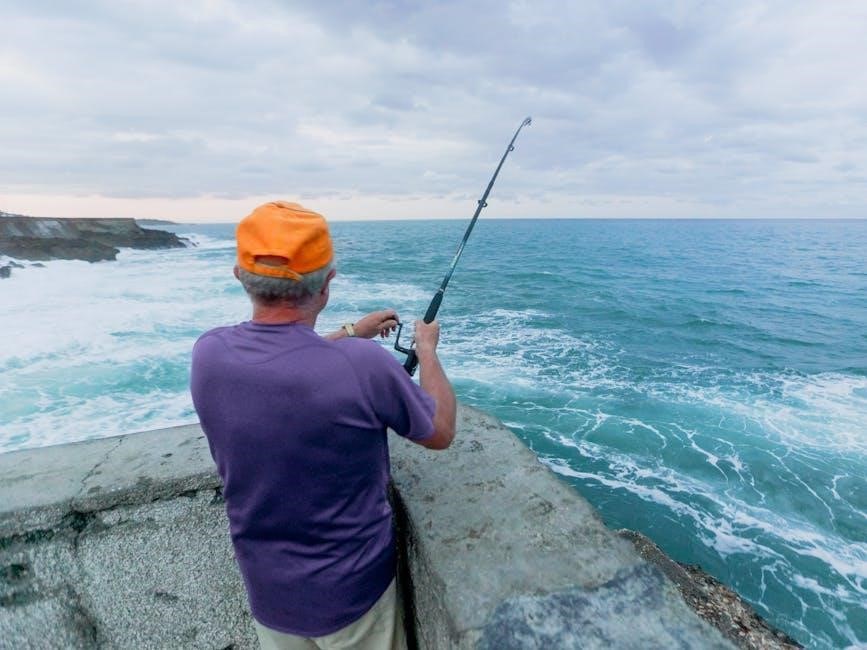
Expect the document to detail size and bag limits for species like weakfish, triggerfish, and various shellfish․ It will also outline any seasonal closures or gear restrictions applicable to these species․ Anglers should carefully review these sections, as regulations can be complex and vary significantly․ Understanding these rules is vital for responsible fishing and avoiding penalties․ The PDF will serve as the definitive guide for all regulated species, ensuring compliance and promoting sustainable harvesting practices throughout New Jersey’s marine waters․
Recreational Fishing Permit (RFP) Information
The 2024 NJ saltwater fishing regulations PDF clarifies requirements regarding the Recreational Fishing Permit (RFP), essential for many anglers․ New Jersey mandates registration for those fishing in marine waters, and the RFP details how to comply․
The document will outline who needs an RFP, exemptions, and the associated costs․ It will also provide step-by-step instructions on obtaining the permit, whether online or through authorized vendors․ Understanding the RFP process is crucial, as fishing without a valid permit can result in fines․ The PDF will clearly state the benefits of registration, contributing to fisheries management and conservation efforts․ Anglers should consult the document to ensure they possess the necessary permits before heading out to fish․
Important Contact Information & Resources
The 2024 NJ saltwater fishing regulations PDF will contain vital contact details for inquiries and clarifications․ Anglers can find phone numbers and email addresses for the New Jersey Department of Environmental Protection’s (NJDEP) Fish and Wildlife division․
This section will also list helpful resources, including links to the NJDEP website, relevant online forums like NJ Woods and Reddit’s r/saltwaterfishing, and local fishing clubs․ The PDF will likely provide information on reporting violations and accessing educational programs․ Furthermore, details regarding upcoming workshops, as highlighted by the NJDEP, will be included․ These resources ensure anglers have access to the latest information and support for responsible fishing practices․
Where to Find the Official 2024 PDF Document
The official 2024 NJ Saltwater Fishing Regulations PDF will be available on the New Jersey Department of Environmental Protection (NJDEP) Fish and Wildlife website․ Expect a direct link to be posted following the NJ Marine Fisheries Council (NJMFC) meeting held on March 7th in Galloway, NJ․
Anglers should regularly check the NJDEP’s Division of Fish and Wildlife webpage for updates and announcements regarding the document’s release․ Online fishing communities, such as NJ Woods and Reddit’s r/saltwaterfishing, will likely share the link once it becomes available․ Proactive anglers can also subscribe to NJDEP email alerts to receive notifications about regulatory changes and the PDF’s publication․
Updates and Amendments to Regulations
The 2024 NJ Saltwater Fishing Regulations are subject to change even after the initial PDF document is released․ The NJ Marine Fisheries Council (NJMFC) retains the authority to amend rules based on updated stock assessments and ongoing monitoring of fish populations․
Anglers must stay vigilant and regularly consult the NJDEP Fish and Wildlife website for any emergency rule adjustments or clarifications․ Online forums, like NJ Woods, often provide timely discussions regarding regulatory updates․ Following the NJMFC meetings and subscribing to email alerts are crucial for remaining informed about potential changes impacting size limits, bag limits, and seasonal closures throughout the 2024 fishing season․
Penalties for Non-Compliance
Violating New Jersey’s 2024 saltwater fishing regulations can result in significant penalties․ These include monetary fines, confiscation of fishing gear, and even suspension or revocation of fishing privileges․ Specifically, possessing fish exceeding bag limits, undersized fish, or fishing during closed seasons carries substantial financial repercussions․
Failure to properly register for the mandatory saltwater registration, as outlined in the official PDF, is also a violation․ Conservation Officers actively patrol fishing locations and conduct inspections to ensure compliance․ Ignorance of the regulations is not a valid defense; anglers are responsible for understanding and adhering to all rules․ Repeat offenders may face escalated penalties and potential criminal charges․
Fishing Workshops and Educational Programs
The New Jersey Department of Environmental Protection’s Fish & Wildlife division actively promotes responsible angling through various workshops and programs․ These initiatives aim to educate both novice and experienced fishers on current regulations, sustainable fishing practices, and proper fish handling techniques – information detailed within the 2024 PDF․
August typically hosts a series of workshops covering topics like knot tying, bait selection, and understanding the nuances of the saltwater regulations․ These programs are invaluable for ensuring anglers are fully aware of size limits, bag limits, and seasonal closures․ Participation often enhances fishing skills and fosters a greater appreciation for marine conservation efforts․ Check the official NJ Fish & Wildlife website for schedules and registration details․
Reporting Violations
Maintaining the health of New Jersey’s marine ecosystems relies on diligent reporting of any suspected violations of the 2024 saltwater fishing regulations․ Observing and reporting illegal activities, such as exceeding bag limits or harvesting undersized fish, is crucial for conservation efforts․ The complete regulations, outlined in the official PDF document, detail prohibited practices․
Individuals witnessing a violation should immediately contact the New Jersey Division of Fish and Wildlife’s 24/7 hotline․ Providing detailed information – including location, time, description of the activity, and any identifying details – greatly assists enforcement officers․ Anonymous reports are accepted, encouraging anyone with knowledge of illegal fishing to come forward and help protect valuable marine resources for future generations․